Respect Is Not Conditional: Black Women, Black Boys, and America’s Double Standard
Republished
Written by: Jamial Black | Author & Activist | Disrupting Harmful Systems in Education and Criminal Justice Through Organizing, Truth-Telling, and Policy
There was nothing new about what happened the other day.
Another public figure. Another microphone. Another cheap shot at a Black woman. Another moment framed as “just a joke,” “free speech,” or “not that serious.”
But for many of us watching, it felt familiar.
Because the demonization of Black women remains one of America’s most tolerated forms of public disrespect.
When the target is a Black woman—especially one who is accomplished, educated, visible, or unwilling to shrink—there is often social permission to mock, degrade, caricature, and dehumanize in ways that would provoke immediate outrage if directed elsewhere.
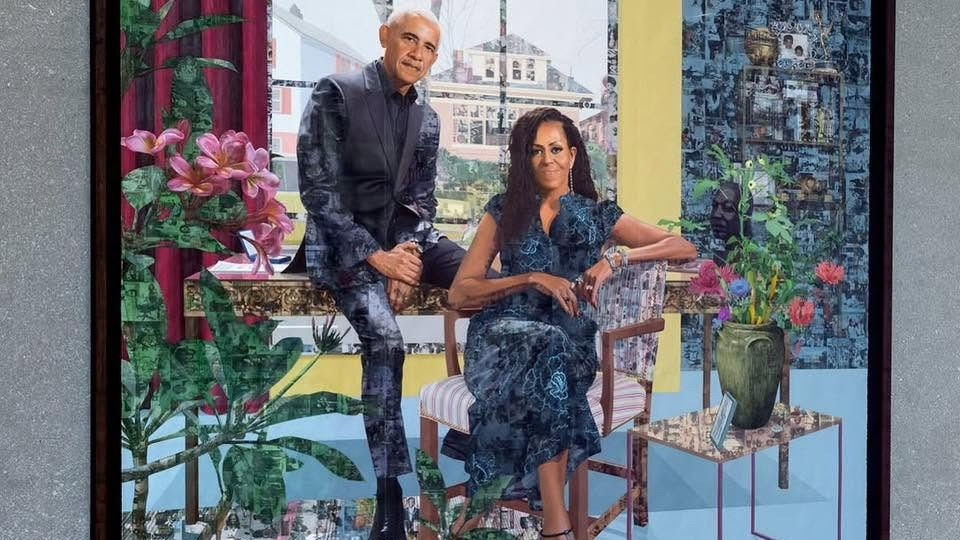
That pattern did not begin with Michelle Obama, and it does not end with her.
Black women in this country have long been expected to carry impossible contradictions: lead but remain invisible; achieve but stay humble; advocate but remain agreeable; be resilient but never express exhaustion; be public but accept humiliation as the cost of visibility.
Michelle Obama’s experience sits inside that larger history.
For years, Americans watched one of the most educated, poised, and publicly disciplined First Ladies in modern history become the target of language and imagery designed to strip her of dignity rather than engage her ideas. Not because she failed to embody excellence—but because her excellence disrupted expectations.
And when public figures repeat that disrespect for applause, laughs, ratings, or outrage clicks, they reinforce something much larger than a headline.
They reinforce a culture that teaches Black girls that achievement will not protect them.
At the same time, we are living through another painful continuity: the public criminalization and symbolic lynching of Black boys and men.
Not always with ropes.
But with narratives.
With viral clips stripped of context.
With adultification.
With assumptions of threat.
With public trials before evidence.
With policy choices that punish before they support.
With media ecosystems that monetize fear.
Black women are caricatured as too much. Black boys are treated as too dangerous. Black men are expected to prove their humanity before receiving it.
Different expressions. Same infrastructure.
And too often, America asks us to discuss these patterns separately when they are deeply connected.
You cannot claim to value Black families while normalizing the humiliation of Black women.
You cannot say Black lives matter while remaining silent when Black boys are publicly dehumanized.
You cannot celebrate Black excellence while rewarding those who profit from degrading it.
This is not about demanding perfection from public discourse.
It is about demanding basic human dignity.
Because what we tolerate publicly becomes what we permit culturally.
And history has shown us—again and again—that disrespect is rarely where injustice ends.
It is usually where it begins.
The views expressed in this article are those of the author and do not necessarily reflect the views of the publisher, the SubstantialNews.org, or its affiliates.


Comments